

By Olivia Johnson
How many people are displaced—and why
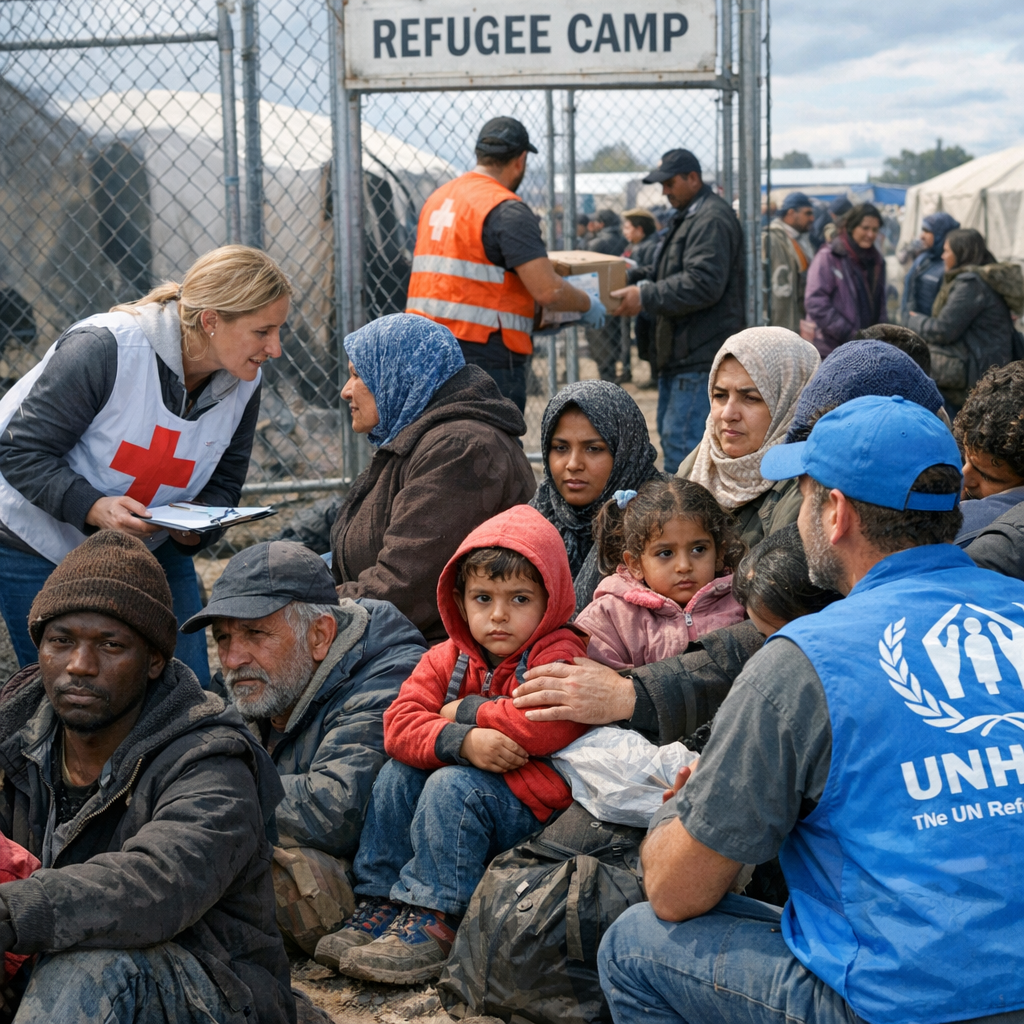
At the end of 2025, there were approximately 117.8 million people forced from their homes due to conflict, persecution, disaster or violence. This includes refugees, internally displaced people (IDPs), asylum-seekers, and others in need of protection. The number reflects a slight decline in the refugee population but remains among the highest ever recorded. The most significant crises fueling displacement are ongoing conflicts in places such as Sudan, Syria, Afghanistan, and the Democratic Republic of Congo. Many who flee their homes still remain within their own country rather than crossing borders.
Main challenges for displaced populations
One pressing issue is the sheer scale of humanitarian need, compounded by limited access to essential services like healthcare, education, and safe housing—especially for people displaced internally. Humanitarian funding often falls short. Another challenge is getting people back home in conditions that allow for dignity and stability: infrastructure may be destroyed, livelihoods disrupted, or safety still uncertain. In addition, refugee populations are disproportionately young—about 39% are children—which creates long-term implications for schooling, mental health, and community integration.
Where host communities are stepping up
Countries close to conflict zones continue to host the majority of refugees. In 2025, about 65% of refugees remained in neighboring countries. Low- and middle-income countries carry the largest burden but often lack the resources to provide long-term support. Some parts of the world have begun focusing on self-reliance opportunities—allowing displaced people access to work, national educational systems, and healthcare—rather than relying solely on aid.
Paths toward durable solutions
Experts point to several strategies that could improve the situation globally:
- Increasing investment in education, healthcare, and infrastructure to help returnees rebuild and allow displaced people to lead productive lives.
- Strengthening legal protections for refugees and asylum-seekers, including pathways to safer resettlement or integration.
- Addressing climate and environmental factors which often drive displacement, especially in regions already vulnerable to disasters.
- Forging stronger international cooperation and keeping promises on humanitarian funding so host nations aren’t overwhelmed and assistance reaches where it’s needed most.
Why this matters for our community
Here in Elk River—and generally across Minnesota and the United States—many residents come from displaced backgrounds or have relatives overseas who’ve been affected by these crises. Understanding the true scale of global displacement helps us appreciate both the resilience of people forced to rebuild their lives and the importance of policies, charities, and local networks that support them.
Celebrating cultural diversity, welcoming refugees, and supporting integration locally are not just generous actions—they are essential to global stability and collective humanity.