

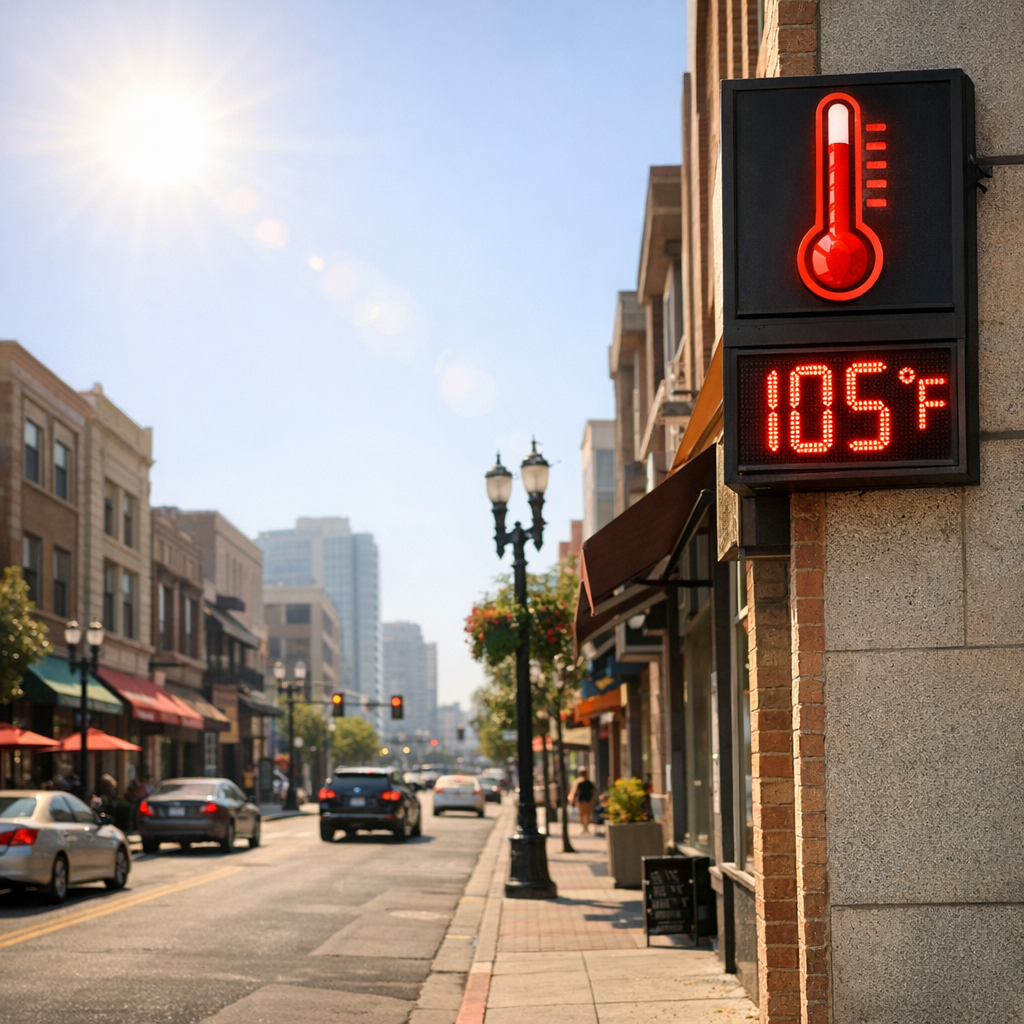
July 2026 has been officially recorded as the hottest month in the contiguous United States since records began in 1895. The National Oceanic and Atmospheric Administration (NOAA) reported an average temperature of 76.89°F, narrowly exceeding the previous record of 76.77°F set in July 1936.
All 48 contiguous states experienced above-average temperatures, with the most significant heat affecting the Mountain West, Southwest, Northern Plains, and Southeast regions. This widespread heat was primarily driven by a series of ‘heat domes’—high-pressure systems that trap warm air—leading to prolonged periods of extreme temperatures.
Climate scientists attribute this unprecedented heat to human-induced climate change, primarily resulting from the burning of fossil fuels. Unlike the Dust Bowl era, which was exacerbated by poor agricultural practices, today’s record temperatures are largely driven by increased carbon emissions and global warming.
Notably, the record was influenced by elevated nighttime temperatures, a critical factor in overall heat stress and a key indicator of climate change. Experts warn that such extremes may become more common unless significant actions are taken to reduce fossil fuel use and adapt to the changing climate.
Looking ahead, NOAA’s Climate Prediction Center forecasts an increased likelihood of continued above-average temperatures across most of the continental U.S. through August. This trend underscores the urgent need for comprehensive climate policies and adaptive strategies to mitigate the impacts of rising temperatures.